The Ultimate Home Safety Checklist for Discharge Planners
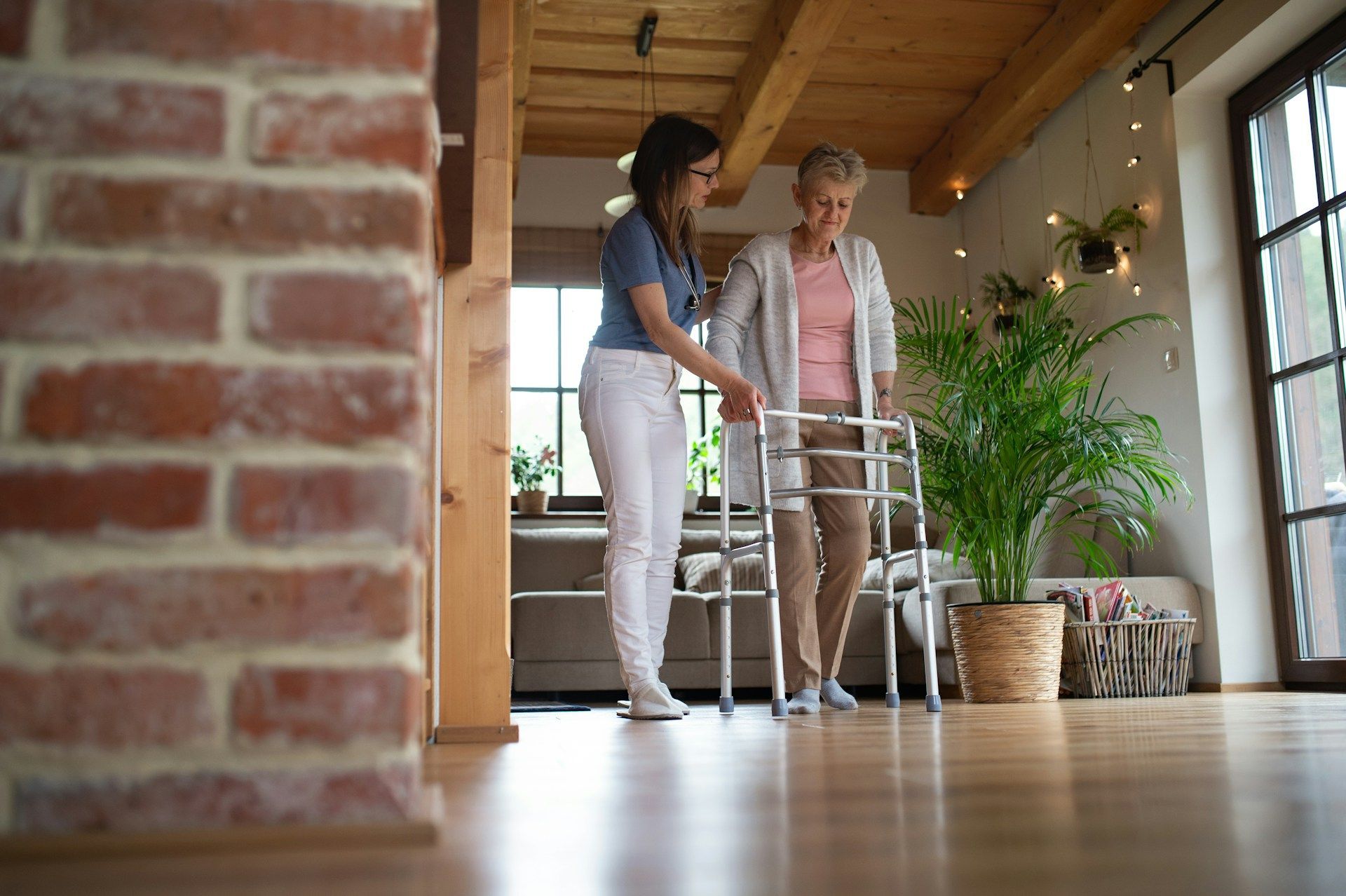
A comprehensive home safety assessment can prevent up to 50% of falls in seniors returning home after hospitalization. For discharge planners coordinating the critical transition from hospital to home, this checklist serves as an essential tool for identifying hazards before they become emergencies.
With over one in four adults aged 65 and older falling each year—and falling once doubling the chances of falling again—proper home preparation isn't optional; it's life-saving.
We created this guide to help discharge planners, social workers, case managers, and families in Connecticut ensure a safer home environment for seniors leaving the hospital.
At Beta Care Services, we've supported families throughout Hartford County and Waterbury since 2004, and we understand that a well-prepared home is the foundation of a successful recovery.
Summary
- More than 3 million emergency department visits occur annually due to falls among older adults, with the bathroom, bedroom, and stairs being the three most dangerous areas in any home
- 60% of seniors use at least one assistive device, and proper equipment must be in place before hospital discharge—not after the patient arrives home
- Adequate lighting throughout the home can reduce fall risk by up to 25%, making light switches, nightlights, and fixture placement critical assessment points
- Medication management areas require special attention, as 50% of elderly patients experience medication discrepancies after discharge that can lead to confusion and falls
- Kitchen and entryway modifications are frequently overlooked but represent significant hazard zones that discharge planners must evaluate
What Discharge Planners Need to Know About Home Safety Assessments
Discharge planning is the process of transitioning a patient from one level of care to the next, and it directly impacts patient outcomes. According to StatPearls, discharge planning is required for hospital accreditation in the United States, with the goal of improving quality of life while reducing unplanned readmissions and complications.
The home environment presents hazards that don't exist in the controlled hospital setting. Research shows that even when durable medical equipment (DME) is ordered, it doesn't always arrive before the patient does—or fit properly into the home when it arrives.
One study found that delivery delays and improper equipment sizing created additional work for home health providers and delayed patient access to appropriate devices.
For discharge planners, conducting or coordinating a thorough home safety assessment before the patient leaves the hospital can prevent these problems and dramatically reduce readmission risk.
Key Takeaways
- Discharge planning directly affects patient outcomes, readmission rates, and healthcare costs
- Home environments present unique hazards that require assessment before patient arrival
- Equipment delivery and home fit issues create gaps that increase fall and injury risk
Bathroom Safety Assessment Checklist
The bathroom accounts for 22.7% of all falls among seniors, making it one of the most dangerous rooms in the home. Wet, slippery surfaces combined with limited space and frequent position changes create a perfect storm for fall injuries.
Grab Bars and Support
- Verify grab bars are installed near the toilet (on both sides if possible)
- Confirm grab bars are mounted inside the shower or tub area
- Ensure bars are professionally installed into wall studs—not attached with suction cups
- Check that grab bars support adequate weight (most support up to 250 lbs, but verify specifications)
- Confirm towel racks are not being used as grab bars (they cannot support body weight)
Surfaces and Flooring
- Place non-skid adhesive strips or mats on the bathtub/shower floor
- Position slip-resistant rugs with rubber backing outside the tub/shower
- Remove loose bath mats that can shift or bunch
- Verify floor tiles are not cracked, uneven, or damaged
Toileting Safety
- Assess whether a raised toilet seat is needed for easier sitting and standing
- Consider a toilet seat with armrests for additional stability
- Ensure the toilet is accessible without obstacles blocking the path
- Position toilet paper within easy reach without requiring twisting
Bathing Equipment
- Recommend a sturdy shower chair or bath bench if the patient has balance issues
- Install a handheld showerhead for safer, seated bathing
- Mount liquid soap dispensers on the wall to eliminate reaching for bottles
- Replace glass shower enclosures with non-shattering materials
Key Takeaways
- Nearly 23% of senior falls occur in the bathroom—making it a priority assessment area
- Grab bars must be professionally installed into wall studs, never suction-mounted
- Shower chairs, raised toilet seats, and handheld showerheads significantly reduce bathing-related fall risk
Bedroom Safety Assessment Checklist
The bedroom is the most common location for falls, accounting for 25% of all fall incidents according to research studies. Low lighting, getting in and out of bed, and nighttime bathroom trips create multiple risk opportunities.
Bed Safety
- Assess bed height—beds that are too high cause sliding, beds that are too low are difficult to rise from
- Consider a hospital bed or adjustable bed if the patient has difficulty with transfers
- Recommend bed rails or a bed assist bar if needed for stability during position changes
- Ensure the mattress is firm enough to support safe transfers
- Avoid the use of stepstools at the bedside
Lighting and Visibility
- Place a lamp within arm's reach of the bed
- Keep a flashlight near the bed for power outages
- Install nightlights along the path from bedroom to bathroom
- Consider motion-sensor lights that activate automatically
- Ensure light switches are accessible from both the bed and doorway
Floor and Pathway Safety
- Clear all clutter from bedroom floors, including shoes, books, and cords
- Remove or secure area rugs that could slip or bunch
- Create clear pathways to the bathroom, at least 36 inches wide
- Ensure furniture is arranged to allow walker or wheelchair access if needed
Accessibility
- Keep a telephone or emergency alert device within reach of the bed
- Position frequently used items (medications, water, tissues) on the nightstand
- Consider a bedside commode to reduce nighttime bathroom trips
- Keep closet floors clear with frequently worn items at accessible heights
Key Takeaways
- The bedroom accounts for 25% of falls—more than any other room in the home
- Proper bed height and lighting are essential for safe transfers and nighttime mobility
- Motion-sensor nightlights along bathroom paths prevent many nighttime fall accidents
Stairway and Hallway Safety Assessment Checklist
Stairs account for 23% of all falls among seniors, making them a major fall hazard requiring careful evaluation. Uneven steps, poor lighting, and inadequate handrails create serious injury risks.
Handrail Requirements
- Install sturdy handrails on both sides of every staircase
- Verify handrails extend the full length of the stairs
- Ensure handrails are firmly mounted and can support body weight
- Check that handrails are at a comfortable gripping height (34-38 inches)
Step and Surface Safety
- Inspect all steps for uneven or broken surfaces and repair immediately
- Apply non-slip treads or carpeting to each step
- Avoid dark or heavily patterned carpeting that obscures step edges
- Ensure step edges are clearly visible with contrasting color strips if needed
Lighting
- Install light switches at both the top and bottom of each staircase
- Verify lighting is bright enough to see each step and both landings clearly
- Consider motion-detector lights that activate automatically
- Keep flashlights available nearby in case of power outages
Hallway Safety
- Ensure hallways are clear of furniture, boxes, or clutter
- Verify floors are even and free of tripping hazards
- Check that rugs are secured or removed entirely
- Install adequate lighting with switches at both ends of long hallways
Key Takeaways
- 23% of falls occur on stairs—handrails on both sides are essential
- Light switches must be accessible at both top and bottom of every staircase
- Non-slip treads and clearly visible step edges prevent most stair falls
Kitchen Safety Assessment Checklist
The kitchen presents unique hazards from reaching, bending, and working with heat and water. Many seniors spend significant time in this space, making safety modifications essential.
Organization and Accessibility
- Store frequently used items between hip and shoulder height (no excessive reaching or bending)
- Move heavy items to counter level to eliminate carrying across the kitchen
- Remove items stored on high shelves that require step stools to reach
- Keep the most-used pots, pans, and dishes in easily accessible lower cabinets
Floor Safety
- Remove loose mats or area rugs from the kitchen floor
- Clean up spills immediately to prevent slipping
- Ensure flooring is even and tiles are not loose or cracked
- Provide a stable, non-rolling chair if the patient needs to sit while preparing food
Appliance and Fire Safety
- Verify smoke detectors are functioning and batteries are fresh
- Keep a fire extinguisher accessible and ensure the patient knows its location
- Consider appliances with automatic shut-off features
- Ensure stove controls are clearly marked and easy to read
Lighting
- Install bright, even lighting throughout the kitchen workspace
- Add under-cabinet lighting to illuminate countertops
- Ensure light switches are accessible from the main entrance
Key Takeaways
- Store frequently used items between hip and shoulder height to prevent falls from reaching
- Remove all loose mats and clean spills immediately
- Adequate lighting throughout the kitchen workspace is essential for safe food preparation
Living Room and Common Area Safety Checklist
Living rooms and common areas must accommodate mobility aids while providing safe, accessible seating and clear pathways.
Furniture Arrangement
- Create clear pathways at least 36 inches wide between furniture pieces
- Ensure pathways are straight, not winding, to accommodate walkers or wheelchairs
- Remove low tables or ottomans that create tripping hazards
- Select firm chairs with armrests for easier sitting and standing
Floor Safety
- Secure all area rugs with non-slip backing or remove entirely
- Tack down all carpet edges to prevent tripping
- Verify hardwood or tile floors are not slippery
- Eliminate electrical cords from walkways—use cord covers if necessary
Lighting
- Install adequate lighting in all seating areas
- Keep light switches accessible from multiple locations
- Place lamps where they can be reached without walking in darkness
- Use nightlights in areas used after dark
Accessibility
- Position the telephone and remote controls within easy reach
- Keep emergency numbers visible near seating areas
- Ensure furniture can support weight during transfers
Key Takeaways
- Pathways must be at least 36 inches wide to accommodate walkers and wheelchairs
- All area rugs must be secured or removed to prevent tripping
- Multiple light switches and adequate lighting prevent navigation hazards
Durable Medical Equipment (DME) Assessment
Approximately 60% of seniors use at least one assistive device, and DME must be properly ordered, delivered, and fitted before the patient arrives home. Nearly 19% of older adults in the United States use mobility devices such as walkers, canes, or crutches.
Pre-Discharge Equipment Coordination
- Verify all prescribed DME has been ordered before discharge
- Confirm delivery date—equipment should arrive before the patient
- Request that a home health professional assess equipment fit if possible
- Have caregivers photograph the home environment to assist with equipment selection
Common Equipment Needs
- Mobility aids: walkers, canes, wheelchairs, or transfer devices
- Bathroom safety equipment: grab bars, shower chairs, raised toilet seats
- Bedroom equipment: hospital beds, bed rails, bedside commodes
- Medical alert systems for emergency communication
Equipment Training
- Ensure patient and caregivers receive training on proper equipment use
- Verify equipment is adjusted to the correct height for the patient
- Provide written instructions for equipment maintenance and troubleshooting
- Establish a plan for equipment repairs or replacements
Key Takeaways
- DME must be ordered early enough to arrive before the patient goes home
- Proper equipment fit requires assessment in the actual home environment
- Training for patients and caregivers on equipment use is essential for safety
Medication Management Area Assessment
Medication errors affect up to 50% of elderly patients after discharge, and the home medication area plays a crucial role in preventing these dangerous mistakes.
Medication Storage
- Designate a single, well-lit area for all medication storage and administration
- Ensure medications are stored away from heat, light, and humidity
- Remove expired or discontinued medications from the home
- Organize current medications in clearly labeled containers or pill organizers
Accessibility and Safety
- Position medications where the patient can reach them safely without climbing or excessive reaching
- Keep a magnifying glass nearby if medication labels are difficult to read
- Post a clear medication schedule in the medication area
- Ensure adequate lighting for reading labels and administering doses
Documentation
- Create a complete medication list with dosages and timing
- Post emergency contact numbers near the medication area
- Include instructions for what to do if a dose is missed
Key Takeaways
- A single, well-lit medication area reduces confusion and errors
- Medication organization systems (pill boxes, labeled containers) improve adherence
- Clear, posted schedules help patients and caregivers manage complex regimens
Entryway and Exterior Safety Assessment
The transition from outdoors to indoors presents fall hazards that are easily overlooked during home assessments.
Entrance Safety
- Verify steps are even, stable, and free of cracks
- Install handrails on both sides of entry steps
- Ensure the doorway is well-lit, especially for evening arrivals
- Clear pathways of clutter, welcome mats that can slip, or uneven surfaces
Threshold and Flooring
- Check door thresholds for tripping hazards
- Install threshold ramps if needed for wheelchair or walker access
- Ensure entry flooring is non-slip, especially when wet
Weather Considerations
- Plan for ice and snow removal from walkways
- Position salt or de-icing materials in accessible locations
- Consider a covered entrance to reduce exposure to wet conditions
Key Takeaways
- Entry steps require handrails on both sides, just like interior stairs
- Threshold ramps may be needed for mobility equipment access
- Weather-related hazards (ice, snow) require proactive planning
How Professional Support Enhances Post-Discharge Safety
Home safety assessments identify hazards, but ongoing support ensures that seniors have the help they need during the critical recovery period. Research consistently shows that proper discharge planning and post-hospital support significantly reduce readmission rates and improve patient outcomes.
At Beta Care Services, we understand the challenges families face when bringing a loved one home from the hospital. Since 2004, we've provided compassionate, dependable in-home care throughout Connecticut that helps seniors stay safely in their homes while maintaining independence and dignity.
Our caregivers can provide the ongoing supervision and support that complements a well-prepared home environment. From assistance with daily activities and medication reminders to mobility support and meal preparation, our personal care services address the real-world needs that emerge in the days and weeks following hospital discharge.
Families throughout Hartford County, Waterbury, and surrounding areas—including Newington, CT—have trusted us to provide the personalized care their loved ones deserve. We work with discharge planners, social workers, and families to ensure smooth care transitions that keep patients safe.
If you're coordinating a hospital discharge or want to learn more about how professional home care can support your loved one's recovery, contact us at (860) 461-0365 for a consultation. Visit our blog for additional resources on senior safety and care transitions.
Recent Posts